
Top Tips for Summer Lazy Days
09 Aug 2019

19 Mar 2019
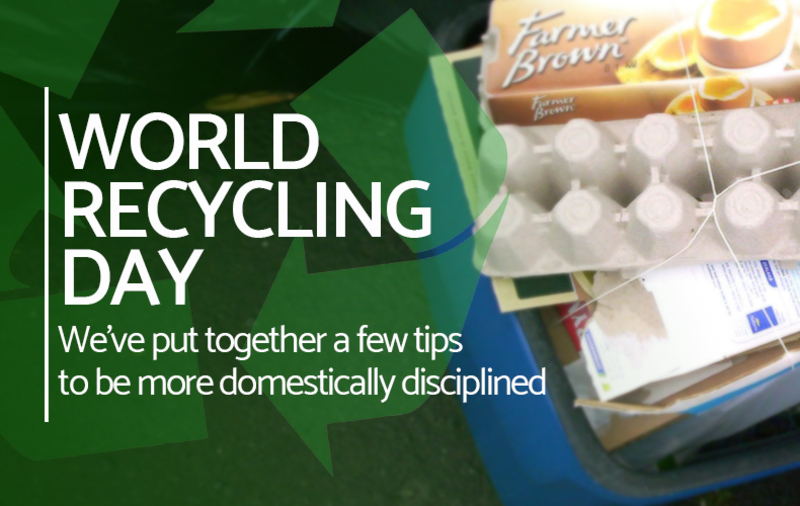
Recycling and environmental sustainability is rightfully becoming a bigger and bigger issue in the world. It may sometimes feel that we are powerless to tackle the issues faced by the governments of today and in the future when it comes to reducing our environmental impact, but we can all do our bit starting from home. If we make the right choices and get into better habits it is amazing just how much one household can recycle when we apply just a few simple principles.
General waste bin: plastic bags, polystyrene, light bulbs, sanitary products, nappies, cooked food waste, cling-film, flimsy plastic film, used kitchen foil, mirrors.
Recycle bin: Paper, newspapers, paper envelopes, cardboard, used aerosol cans, shampoo bottles, food tins, drink cans, plastic bottles, yogurt pots, plastic food trays, toilet roll tubes.
Green waste bin: Raw vegetable peelings, cut flowers, garden waste such as pruning's and leaves, grass cuttings, twigs and small branches.
*Each area of the country will have slightly different rules on what you can and can’t put in each bin. Please check your local authority’s rules on domestic waste.
Make sure you have some sizeable receptacles to separate your rubbish, having places to store your recycled materials in the house, whether this is a box, bin or bag. Keep the recycling container(s) next to the general rubbish bin and will remind everyone to recycle as much as possible.
Many bin collections won’t take glassware, if this is the case in your area, make sure you collect any jars or bottles and make the occasional trip to the bottle bank. Typically these will be at your local supermarket or elsewhere locally. It is important to remove and recycle metal lids separately if you can.
Plan your lunches for the week and pack your food in a reusable container, this will reduce your usage of cling-film and other packaging from convenience food. Drink from a re-usable flask or bottle for your coffee and water. Try to avoid using fresh new plastic bags each time you shop. Invest in some sturdy bags-for-life and consider using paper bags for fresh vegetables and salad items. Drinks cans are convenient and recyclable – just remember to make sure they end up in the recycling at the end, and not a general waste bin.
Batteries should not be tossed right into your bin or recycling and instead should be properly disposed of at waste collection centres or major supermarkets. To corral all your batteries or light bulbs until you’re ready to drop them off, set aside a large tin or jar for these items – perhaps even decorate it to stand out so it doesn’t get forgotten about.
If you’re unable to get larger items to your local rubbish tip, you may be able to request your local council to come an dispose of them for you – this may be at a small cost. There may be charities and volunteer organisations available to take unwanted appliances, it is always worth doing your research locally. Likewise, make sure you dispose of hazardous waste and paints responsibly by contacting your council.